Start by identifying the bearing type
“Plain bearing” describes how the movement is supported, but it does not tell you what to lubricate it with. The group includes bushings with a sliding layer, metal bearings with lubrication pockets or grooves, and polymer bearings containing solid lubricant. Use the nameplate, drawing, material data sheet or machine manual to record:
- the bushing or sliding-layer material and any design designation;
- whether the manufacturer specifies dry running, initial lubrication or regular relubrication;
- the movement type: rotary, oscillating or linear;
- surface pressure, sliding speed and running time;
- temperature and contact with water, dust, fibres, chemicals or process material;
- shaft material, surface condition and geometry, plus how heat is removed.
For plastic bushings, check the permissible p×v value in the material data: the product of surface pressure and sliding speed. igus describes it as a measure of frictional heat; the actual value depends on, among other things, the shaft material, ambient temperature and running time. That is why the shaft and heat dissipation belong in the data for the lubrication point.
When to grease and when to run dry
A self-lubricating bearing contains solid lubricants in its material or sliding layer. igus states for its iglide bearings that additional lubrication with grease or oil is usually neither necessary nor practical, and in dusty conditions grease can bind dust and fibres that then get between bushing and shaft. The same materials do tolerate a single lubrication during installation, which improves start-up and lowers friction. If the manufacturer describes the bearing as dry-running or maintenance-free, do not introduce regular relubrication without the manufacturer’s approval, even if the point looks like an ordinary bushing.
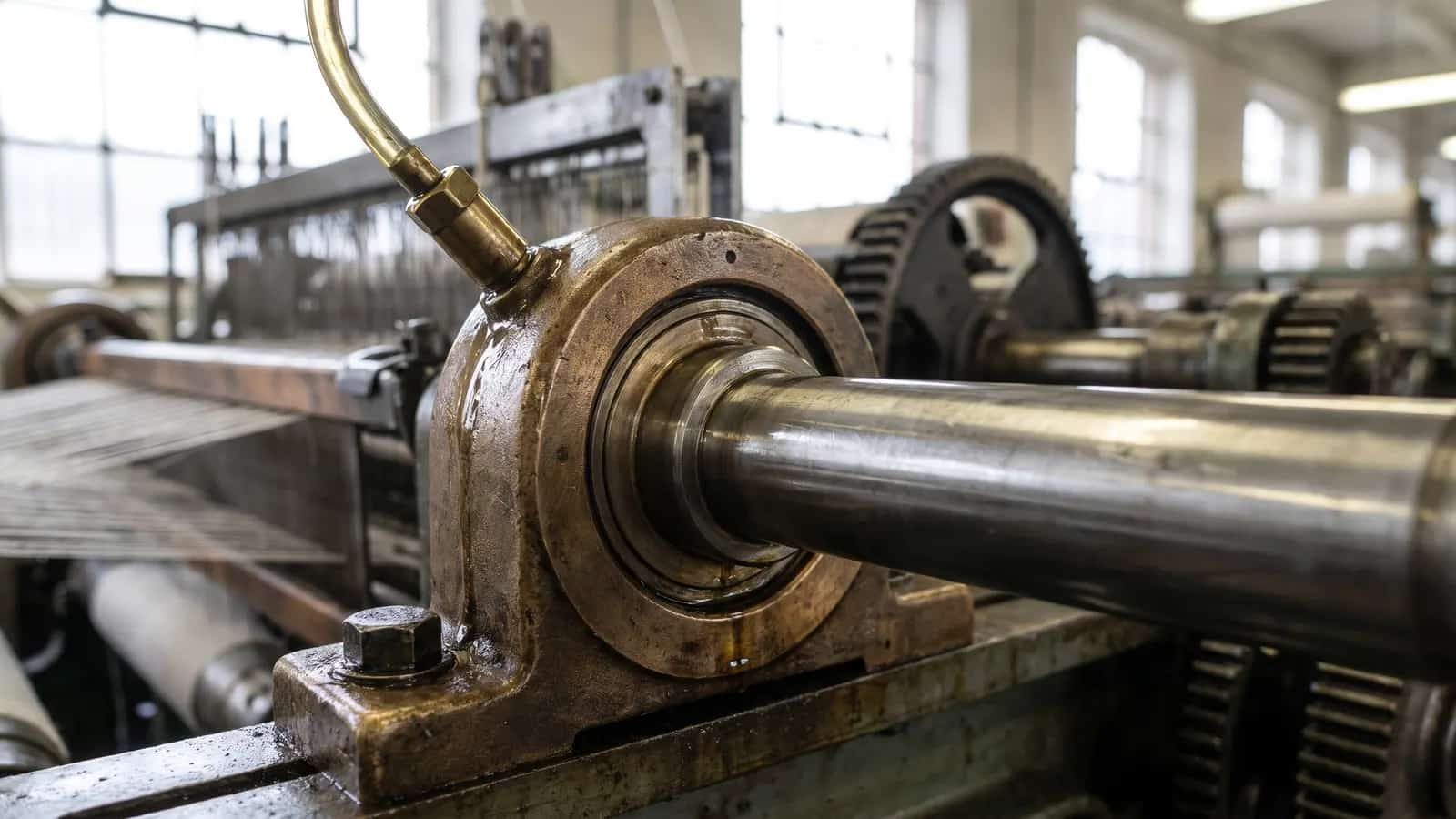
Treat a design with lubrication pockets, grooves or a lubricant supply system differently. For a specific construction, the manufacturer may specify oil, grease or both, the quantity and the interval, and may also exclude certain additives. The Schaeffler plain-bearing catalogue sets out these requirements separately for individual series, so do not carry the recommendation for one design over to other plain bearings.
How to select the lubricant for a plain bearing
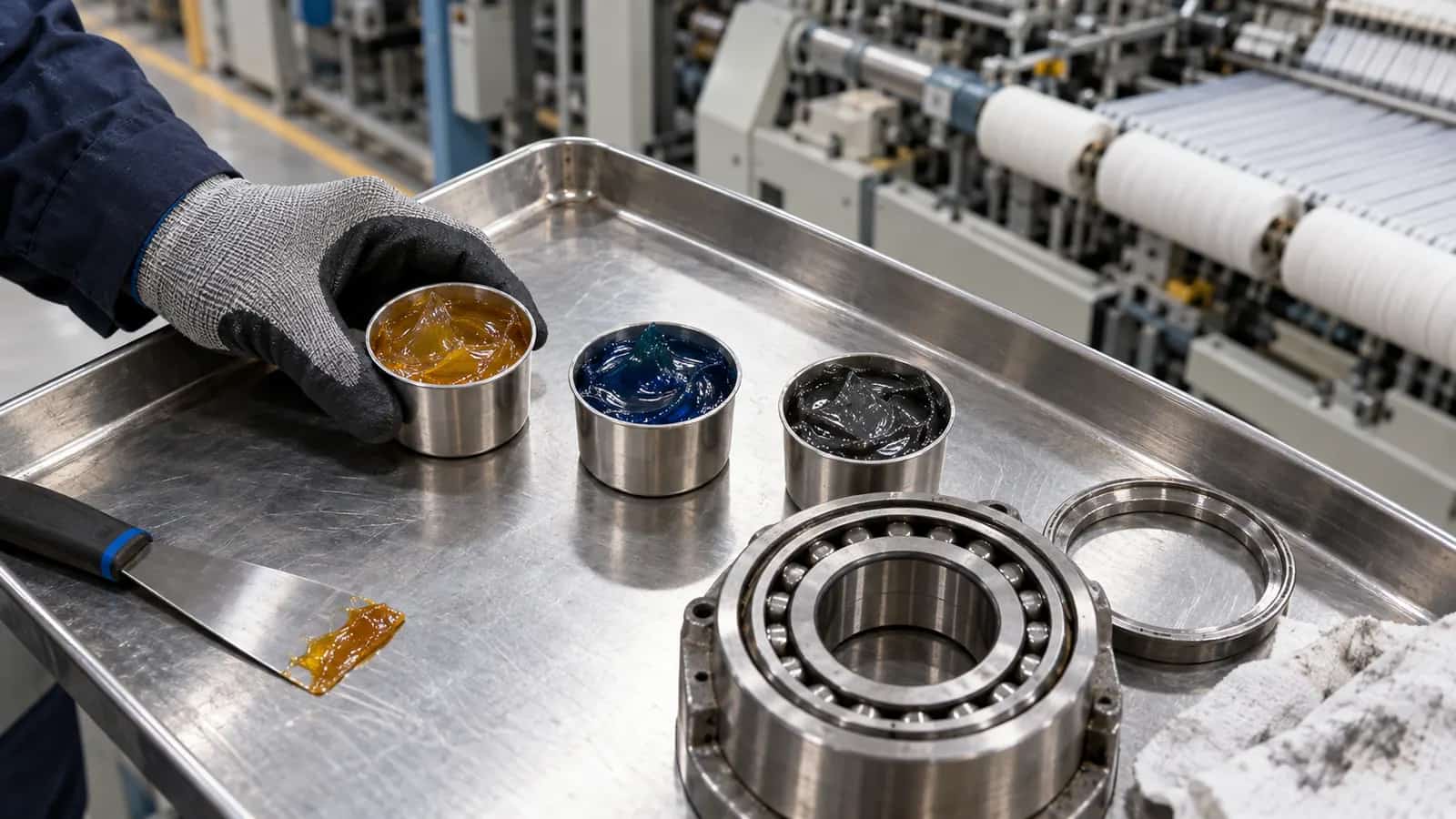
If the bearing is intended to run with oil or grease, compare the product data sheet with the conditions at the lubrication point:
- Material and sliding layer. Check that the lubricant is suitable for the bearing material, seals and any plastics involved.
- Pressure and speed. For polymer bushings, read the p×v value or other limits stated by the manufacturer. For metal designs, check load, speed and the way lubricant is supplied.
- Movement type. Check that the bearing manufacturer’s data cover the movement at the point: rotary, oscillating or linear. The lubricant name does not settle this.
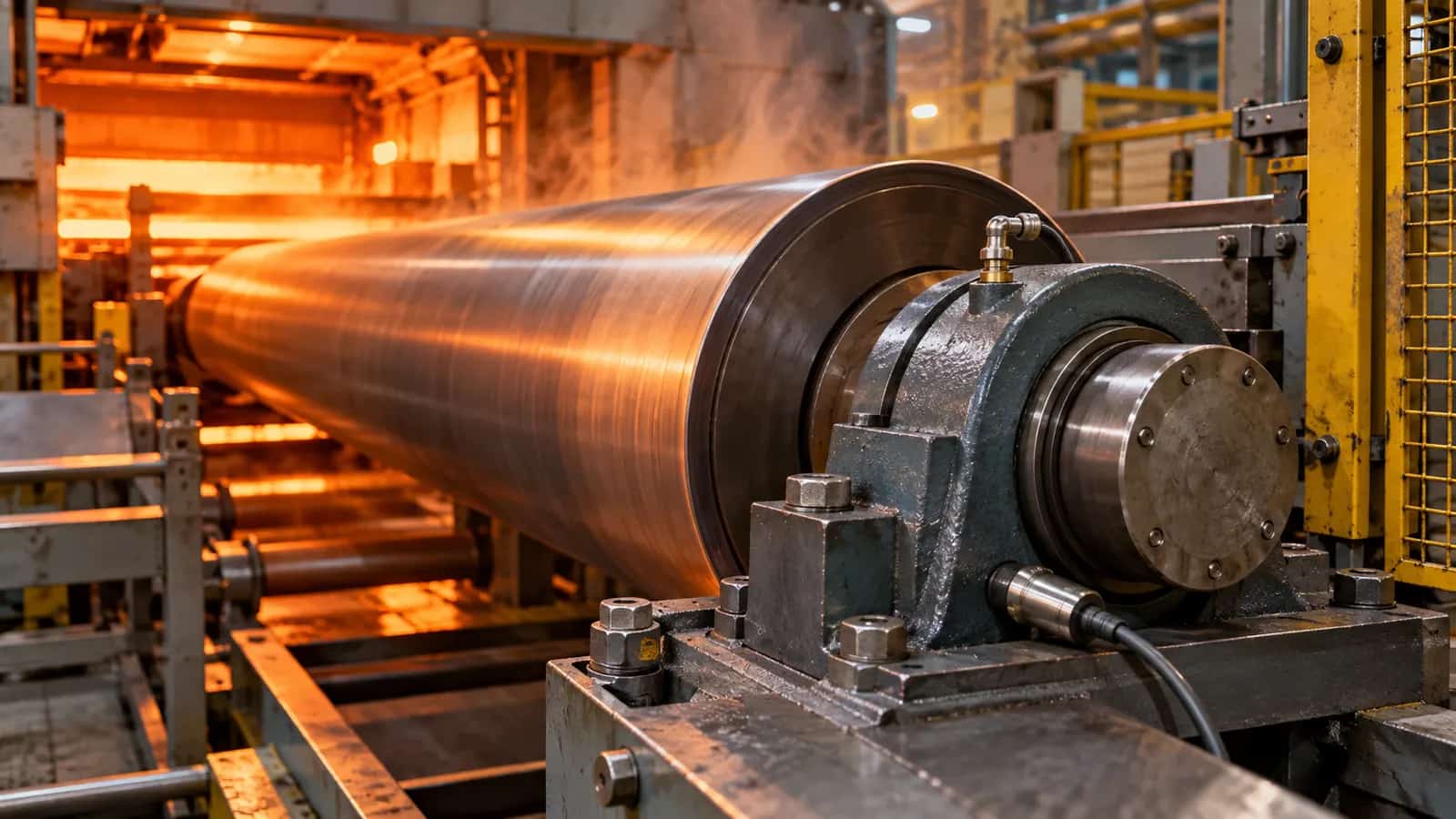
- Temperature. Include bearing temperature, running time and short peaks, not only ambient temperature.
- Environment. Water, steam, dust, fibres and chemicals can change requirements for viscosity, adhesion, washout resistance and surface protection.
- Compatibility. When changing product, check compatibility with the existing lubricant, bearing material and cleaning procedure. The same NLGI number does not confirm that two greases are compatible.
Do not choose by colour, the phrase “for bearings” or a single additive.
What to check in the TC Kolor range
Products whose data sheets mention bushings are in the grease cartridges category. The Molyguard catalogue describes SILVER GREASE as a grease with an anhydrous calcium thickener and good resistance to water and high pressure, for bushings, gears and joints under heavy loads, shocks and sliding, and for hydraulic hammers; its operating range is −10 to +100 °C. EHT is a water-resistant lithium-complex grease with an EP additive and molybdenum disulphide (MoS₂) for bearings, bushings and O-rings, with an operating range of −20 to +200 °C.
These are catalogue applications. EHT contains MoS₂, so it is ruled out wherever the bearing manufacturer excludes greases with solid additives. Selection for a particular bushing depends on the data listed above and on compatibility with the grease currently in use.
A practical decision: a bushing in a wet machine area
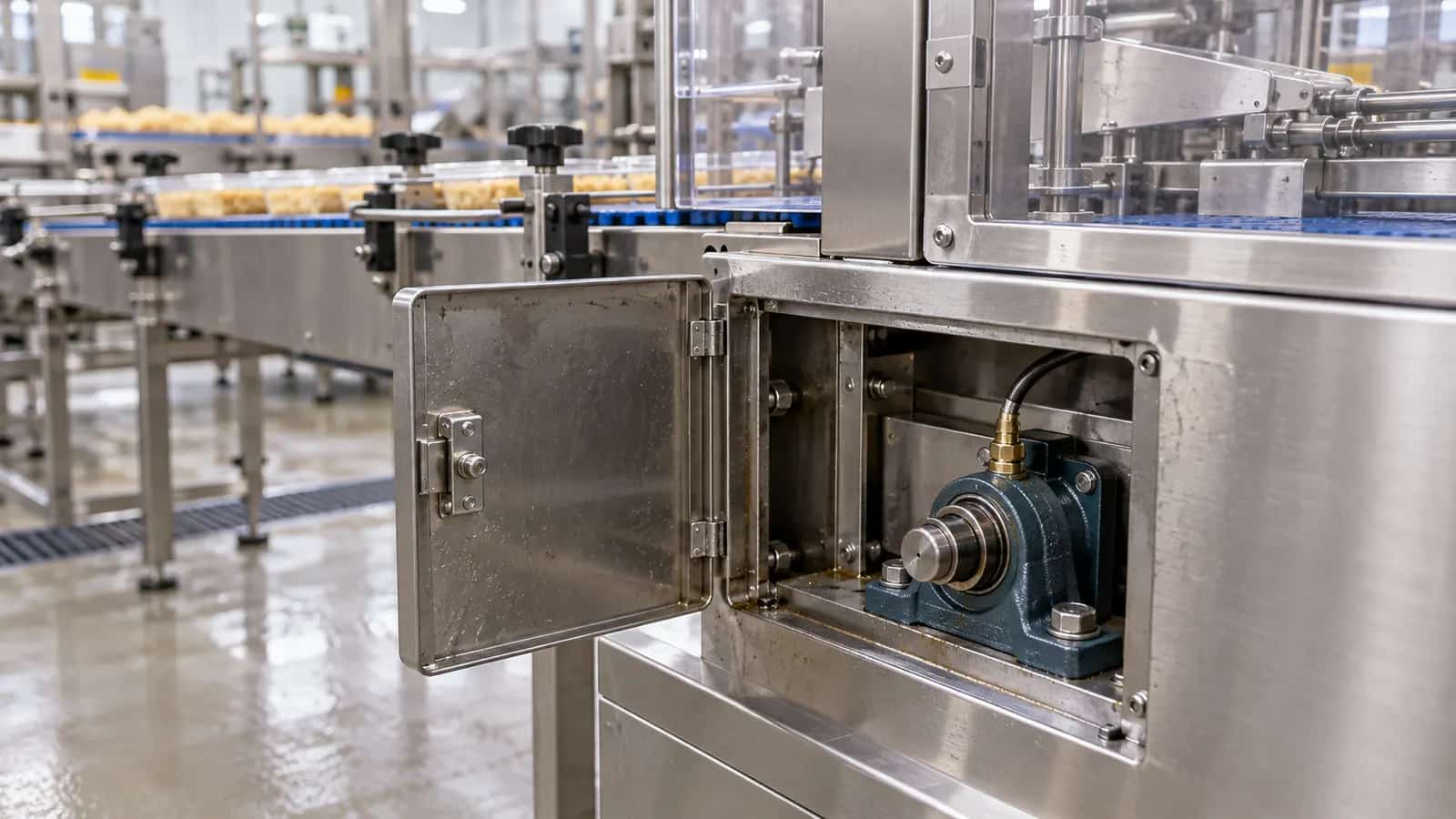
If a bushing operates in a wet area, first establish whether the manufacturer allows external lubrication. For a self-lubricating design, check that oil or grease will not retain contamination. For a design with a lubrication groove or pockets, compare water resistance, how the lubricant stays at the point, the bushing material and the dispensing interval. The catalogue lists water resistance for both SILVER GREASE and EHT, but their thickeners and temperature ranges differ, so the choice depends on the temperature at the point and compatibility with the current grease.
How to prepare a product enquiry
When you send an enquiry about grease cartridges or another lubricant for a plain bearing, include the bearing designation and material, a drawing or photo of the point, movement type, pressure or load, speed, temperature, moisture and contamination, shaft material, the lubricant currently in use and the dispensing method. If the bearing is self-lubricating, add the material data sheet and whether the manufacturer allows lubrication during installation.